

Classroom Photography: How To Get The Most from A Class Photoshoot
When people hear “class photo” or “school photographer”, they often think of traditional rows of students lined up in uniform. That’s not what this is.
Classroom photos for schools and educational establishments I work with take a much more modern approach. They are about capturing real classroom life, and this style is also known as “editorial education photography.”
Editorial Education Photography
Class photography aims to show students learning, interacting and engaging naturally. It’s more of a documentary style; less posed and far more useful for websites, prospectuses and school marketing channels such as newsletters and emails.
An in-class photo shoot should give a genuine sense of what it feels like to be in that lesson.
The challenge at most schools is usually that classrooms aren’t always naturally set up for photography. A few small adjustments, though, can make a big difference to the final images!
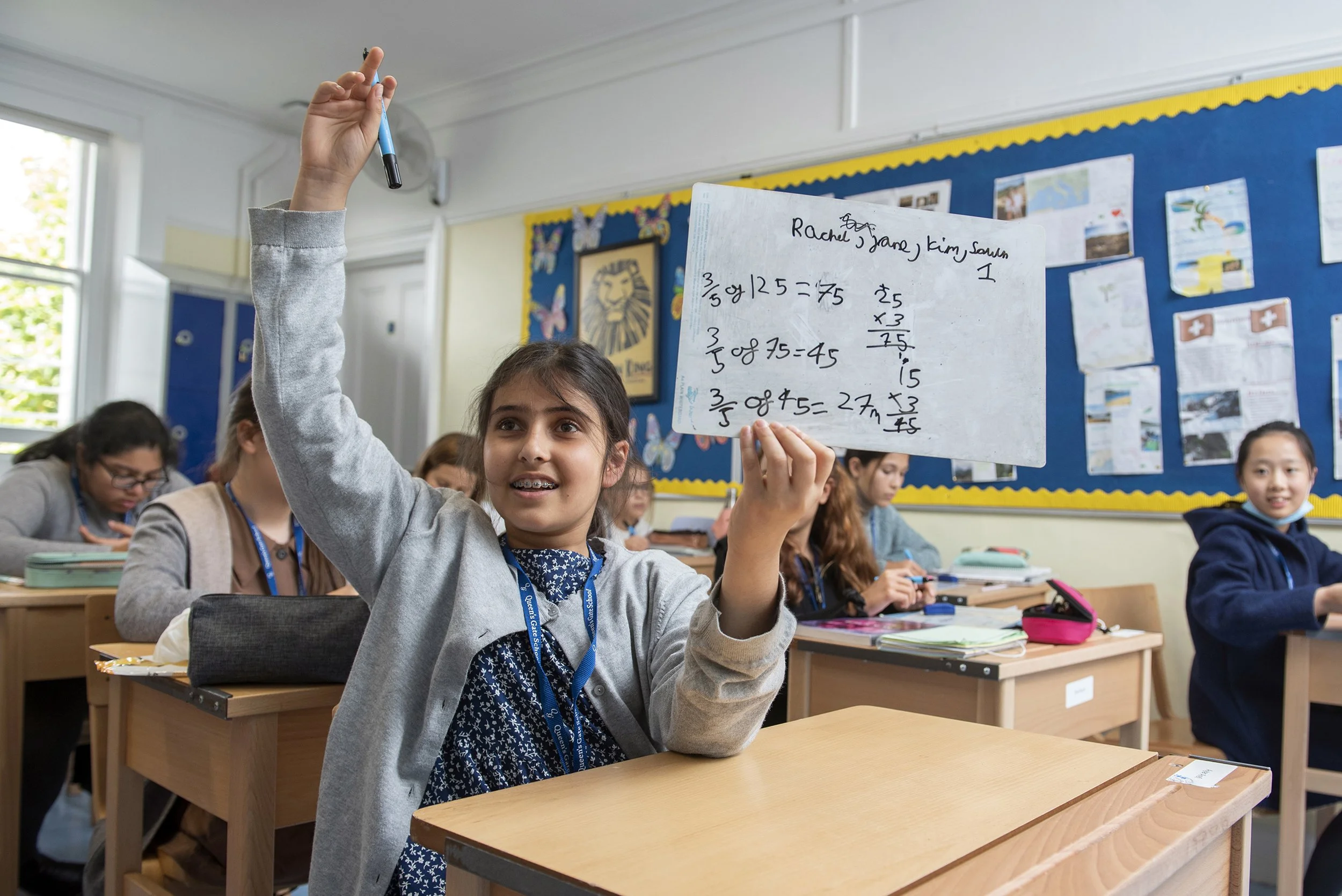
A classroom photograph showing students at their desks with their head up, interacting with the teacher
How To Get The Most From a Class Photoshoot
Keep the Classroom Clean and Simple
One of the biggest things that affects a class photoshoot is the general clutter in the classroom.
Naturally, classrooms are busy spaces — bags, books, water bottles, pencil cases, worksheets, they’re everywhere!
Before starting a classroom photoshoot, it’s worth taking a couple of minutes to tidy the space.
Clear desks slightly, remove unnecessary items and keep backgrounds simple. This helps the focus stay on the students.
It doesn’t need to look staged, but just a bit more considered. Even small things like moving a bin or straightening chairs can make a noticeable difference to a class photograph.
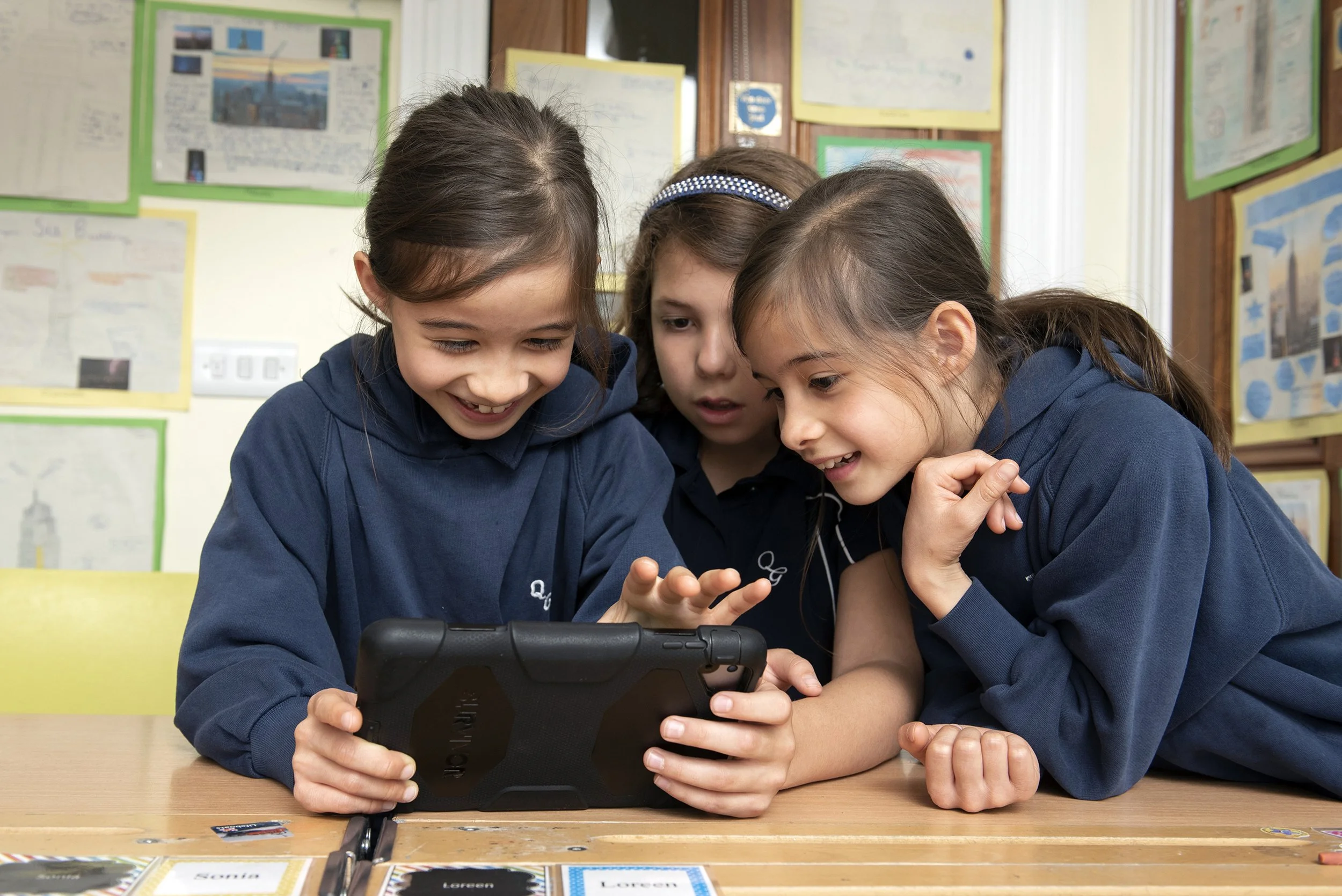
Children interacting while using a tablet device in a school classroom
2. Choose the Right Classroom Activity To Photograph
What the students are doing in the classroom during the photoshoot matters just as much as how the room looks.
Some classroom activities just don’t photograph well. Students with heads down, writing in books, might be realistic, but it doesn’t make for the most engaging images.
With the right lighting, photographs of students writing in their books can look good, but I would suggest is something you only want to capture in one or two classrooms at the most.
It’s usually better to plan something that naturally lifts heads.
Group work, quick-fire questions, whiteboards, practical tasks…These are all classroom activities that spark interaction. A bit of movement among the students works well and helps to create more dynamic images.
Focusing on these natural classroom activities and the interactions between teacher and student, mean that you can get authentic in-class photos that feel engaging and easy for the viewer to connect with.
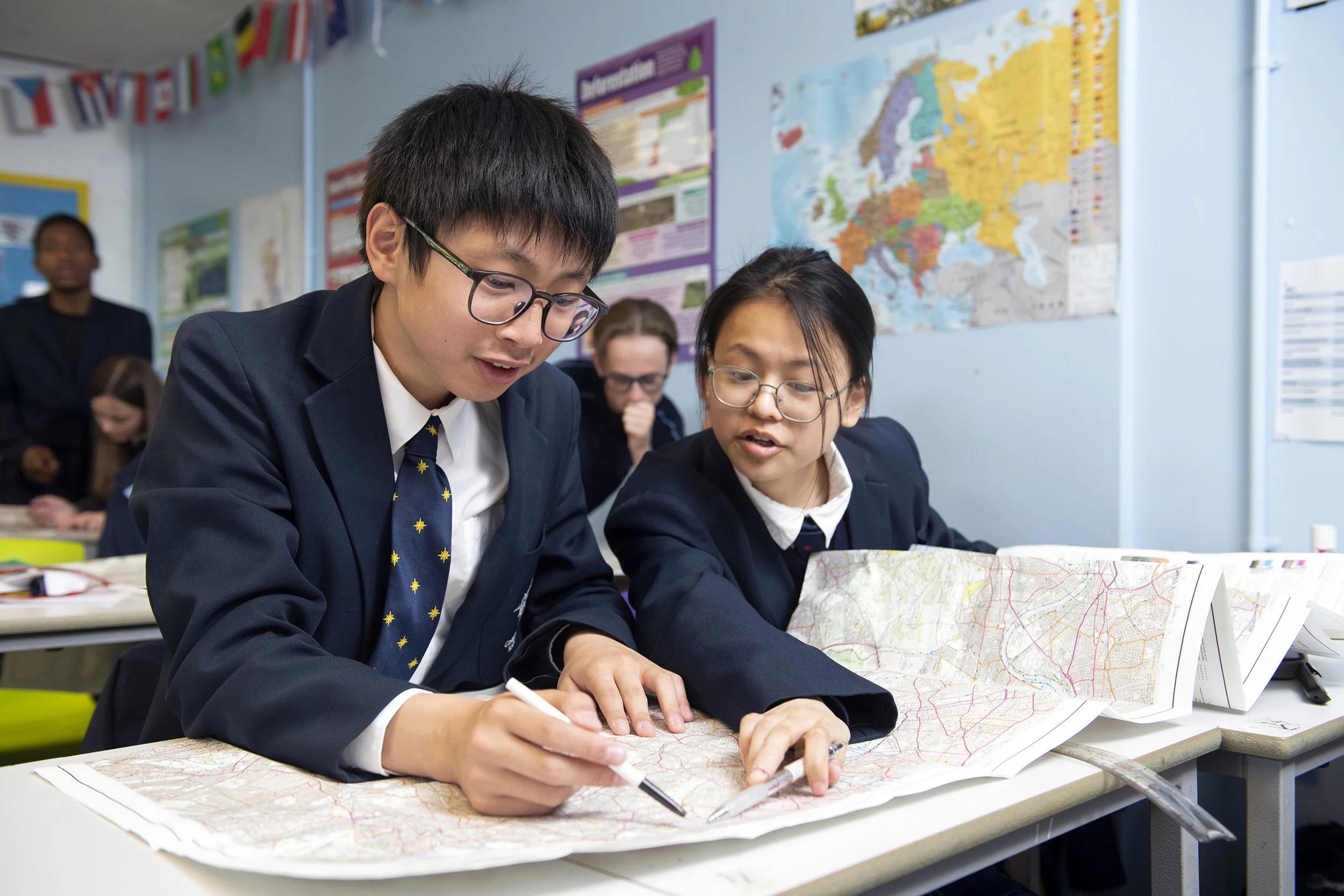
Great activity and background
3. Get Students Involved
Students play a big part in how successful class photos are.
They don’t need to “act” for the camera, but a bit of awareness of how their behaviour and actions support the photographer in their work helps.
Most teenagers are very used to being in front of cameras these days, which definitely helps!
Ideally, students would be encouraged to stay engaged with the task, sit up properly and interact with each other naturally. All this makes a big difference.
It’s not about forcing smiles. Just making sure they’re present in the moment.
With younger students, this tends to happen quite naturally. Older students sometimes need a bit more encouragement, but once they understand what’s needed, they usually settle into it quickly.

A colourful science activity is an excellent way to have students engaged and looking up
4. Work with the Light and Space
The lighting in school classrooms can be mixed; natural light from windows combined with overhead lighting.
As a photographer, you’re constantly adjusting for that, but the layout of the room can help.
Most school photographers will have some form of lighting with them to help balance natural light and reduce any heavy shadows.
Classroom photography looks better when the rooms look light and airy.
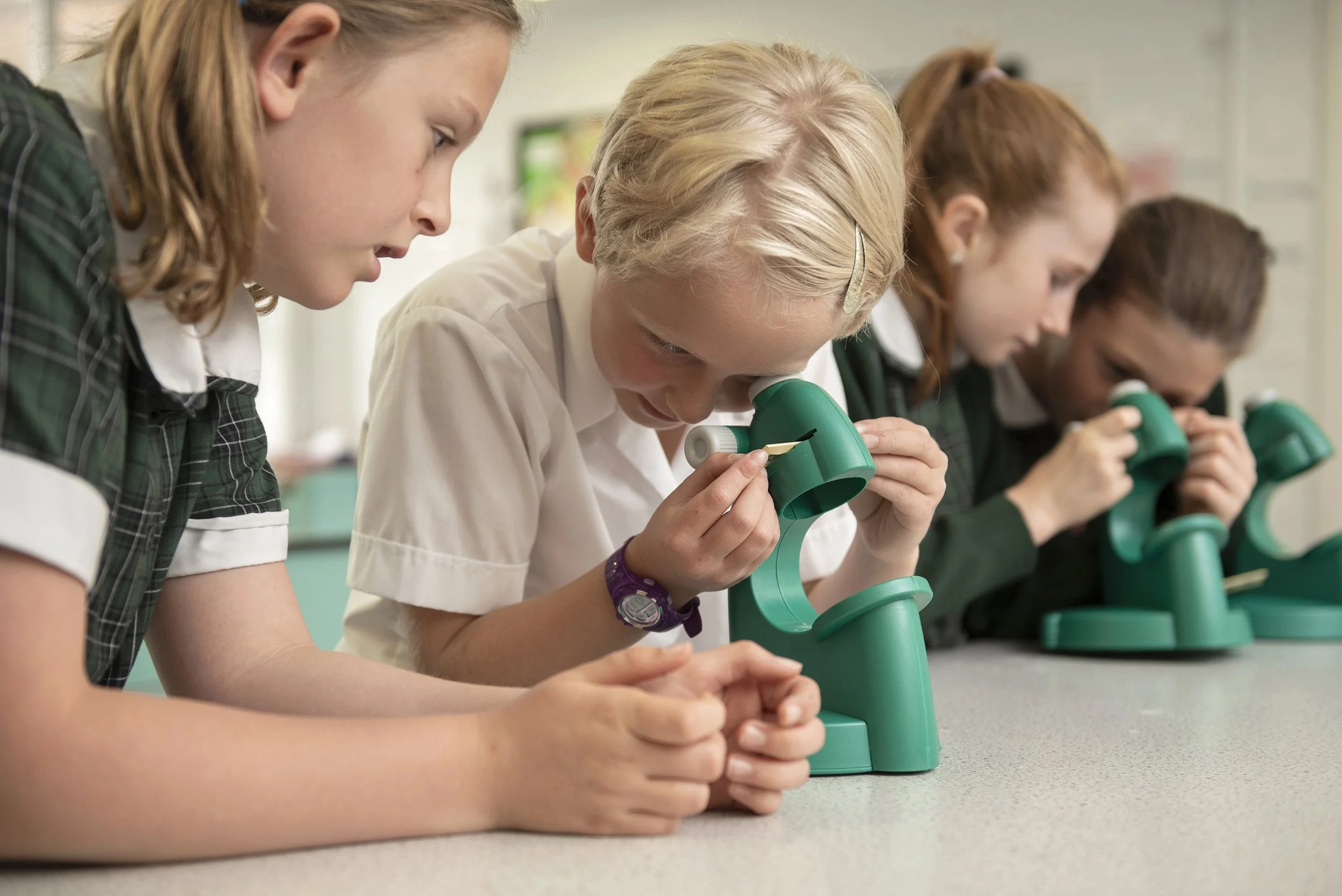
School students working together and looking through a microscope
Making the Most of the School Photographer’s Time
A typical class photo day or prospectus photo shoot involves moving between multiple lessons and spaces, so efficiency matters.
The more prepared each classroom is, the more time there is for your photographer to focus on capturing strong images rather than fixing avoidable issues.
As I’ve explained, a quick tidy of the classroom, the setting up of a suitable activity that lifts students’ heads, and a bit of awareness from the students and staff can turn an average class photo into something much more interesting.
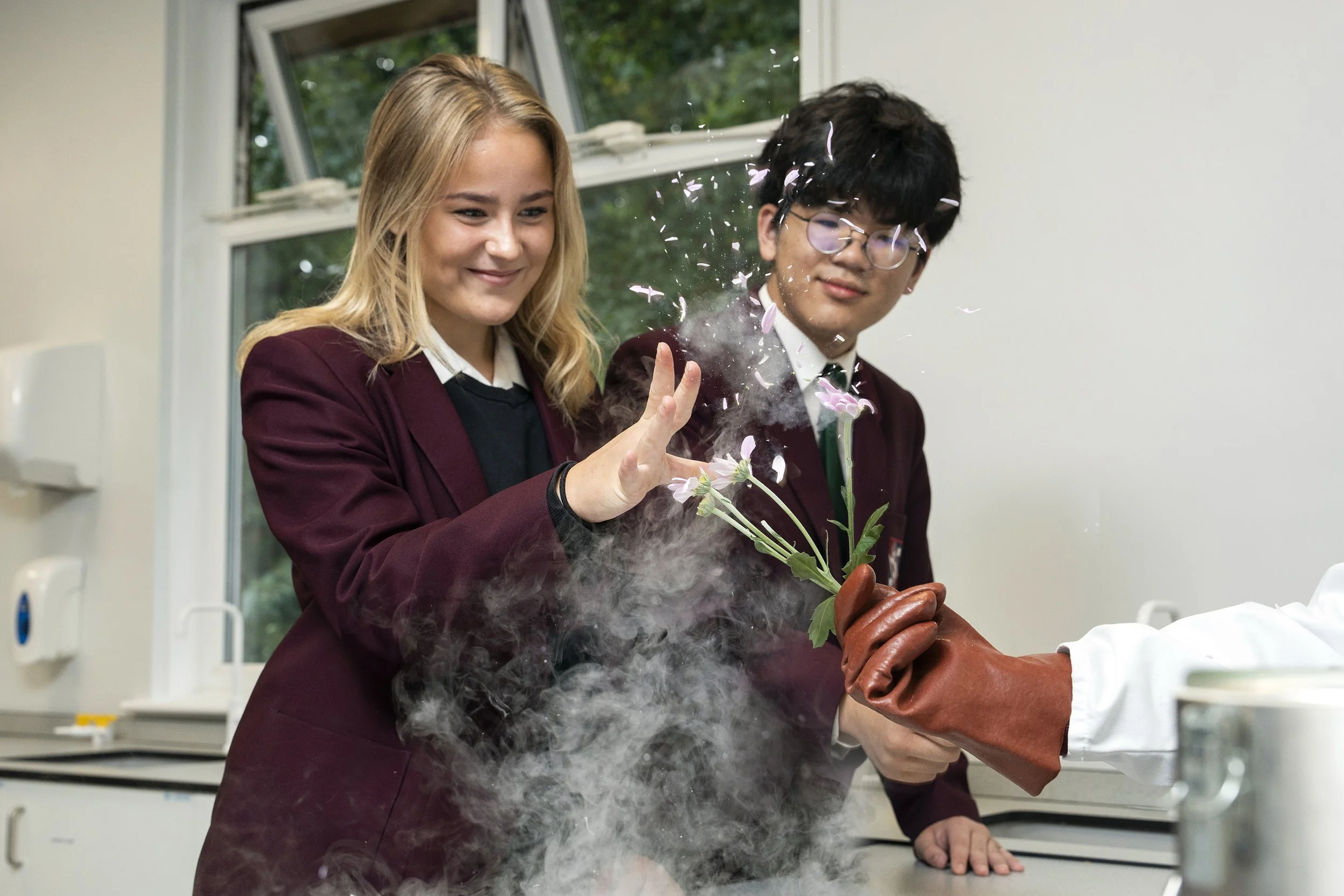
6th form life in the science lab
Natural Classroom Photographs
Good quality school classroom photographs should feel natural, positive and representative of the school. They don’t need to be complicated, but they do need a bit of thought behind them.
When everything comes together —a clean and tidy space, engaged students, an activity ideal for photography —you end up with a set of classroom images that properly show what learning looks like on a day-to-day basis.
Those classroom images are the ones that tend to get used again and again for marketing, magazines, prospectuses and displayed around the school.
Looking For An Experienced Classroom Photographer in the South East?
If you need more classroom images for your school marketing and displays, get in touch to discuss how I can help.
Danny
Related: Five Classroom Photoshoot Planning Tips (And a Free Guide)