

Do Schools Need To Rethink How They Use Images of Students In The Age of AI?
It’s not often that a newspaper article makes school photographers sit up and think, “well… that changes things.”
But that is exactly what happened when I first read this article from the Guardian, titled “UK schools should remove pupils’ online photos as AI blackmail threat grows, say experts”.
I have to admit, I never saw this issue coming. It was quite a surprise.
We all worry about how AI is going to affect our jobs, but this was definitely a surprise.
So what has happened?
So, essentially, a government advisory group recently put out guidelines (not yet taken on by the UK Government) to advise schools on how they should use images of students online.
This comes off the back of a couple of schools being targeted by blackmailers who have scraped images from schools’ websites, used AI to create abusive versions of them and then threatened to release those images if a ransom wasn’t paid.
In the space of a week, I was sent two articles and had a school phone me up, worried about the implications…. It was a shock to me, and it must have been a shock to most schools.
Authentic School Photography
I also heard that, at a recent Schools Marketing and Admissions Conference, most of the day was taken up discussing this issue. Apparently all the schools agreed that keeping genuine, authentic photography was vital.
It’s becoming clear just how low some people are willing to sink, and how AI is being misused.
The concerns around AI-generated fake images, and the potential misuse of pupil photographs taken from nursery, prep, school, college, academy and university websites and social media, have understandably made many schools pause and ask an important question:
Should we still be showing students’ faces online?
It’s a fair question.
Schools have always looked for authentic photography to tell their story. Real students, real lessons, real smiles, real school life.
I have spent much of my photography career learning to work with students of all ages to get the best out of them on camera and make their reactions look and feel authentic, so people feel a connection to the school before they even arrive.
But with AI now able to produce nearly anything, schools need to know that they are keeping their students safe when they use their images online.
The challenge for any school or college is finding the balance between safeguarding and effective visual storytelling.
What are the options for schools?
Option 1: Generic Photography Without Showing Faces
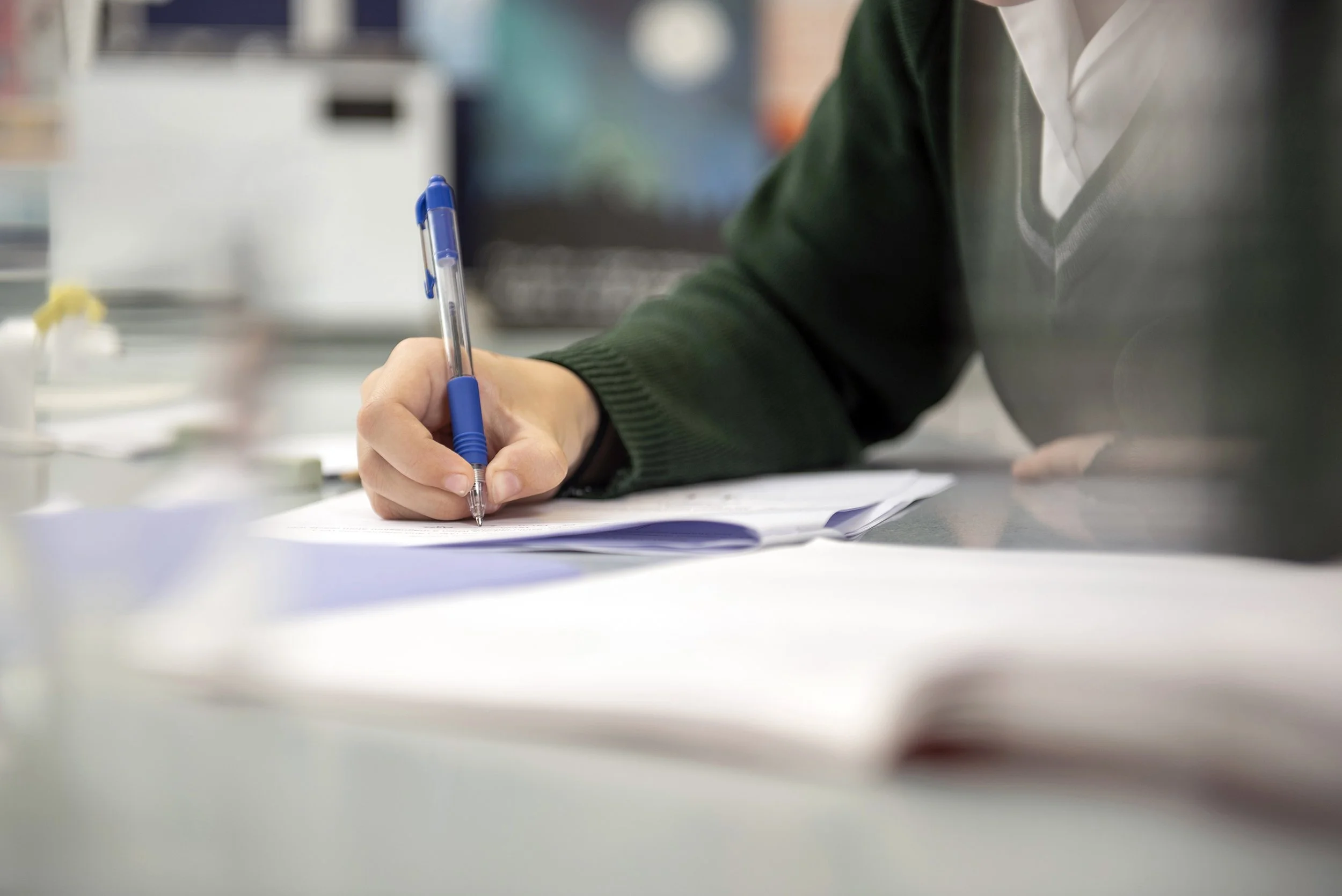
School photography without showing a child’s face
One approach is to avoid identifiable pupils altogether.
That means photographs of the backs of heads, students walking away from the camera, close-ups of hands writing, feet running on sports day, or students working where faces aren’t visible.
There are definite advantages here.
It’s the safest option. No identifiable pupils. Minimal risk.
But the downside is that if every school starts using the same style of anonymous imagery (or even the same picture library images), school websites may begin to feel very generic.
You lose most of the school’s personality. There is no warmth, no smiles, no connection.
It might even start to look like various healthcare-related websites that always use generic picture library images. The uniqueness is gone.
Parents want to imagine their child in that environment, and that becomes harder if every image feels anonymous.
Pros: Easy and safe option
Cons: School website photography stops providing true insight into a specific school, as the visuals are generic
Option 2: Using AI to Change Faces
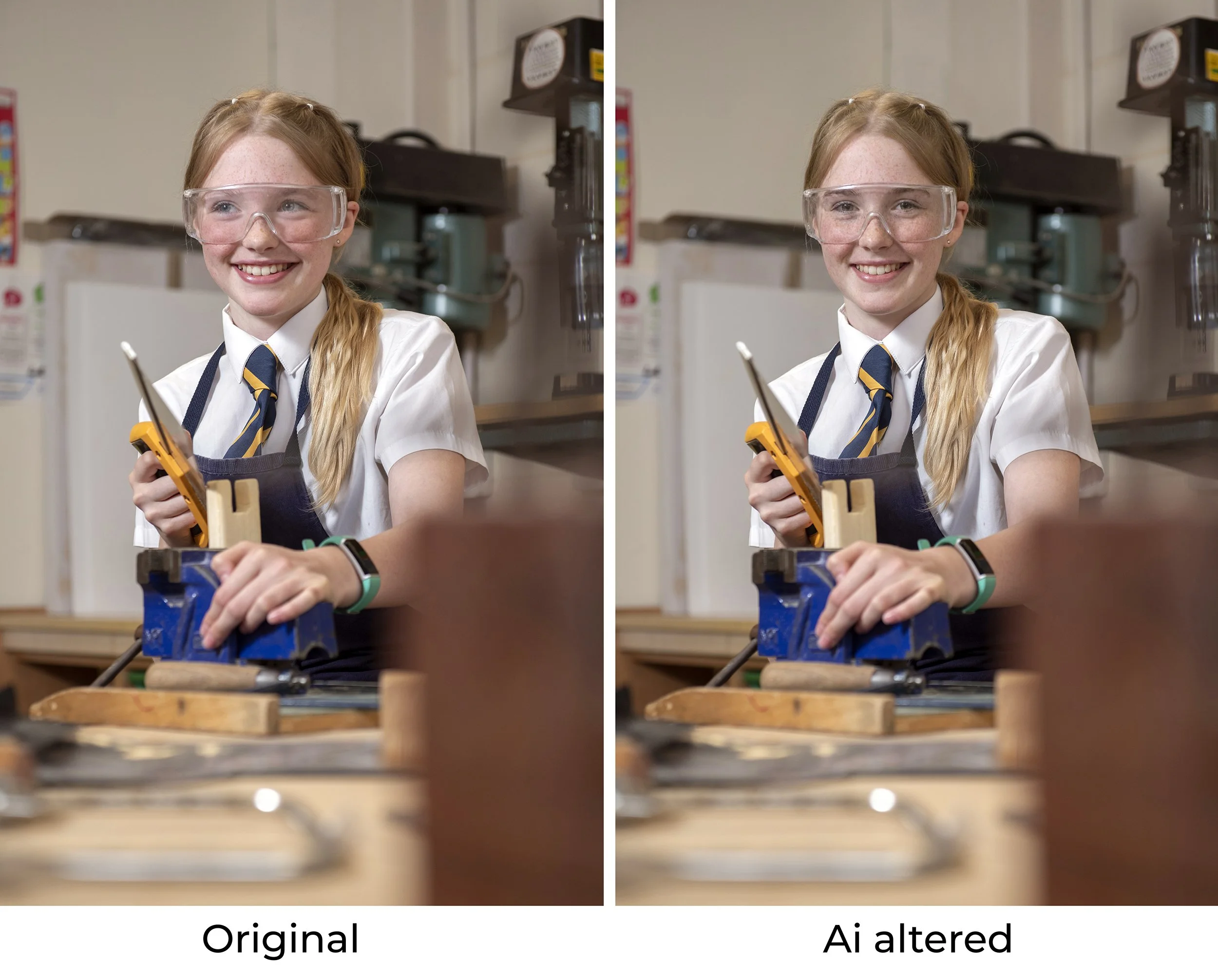
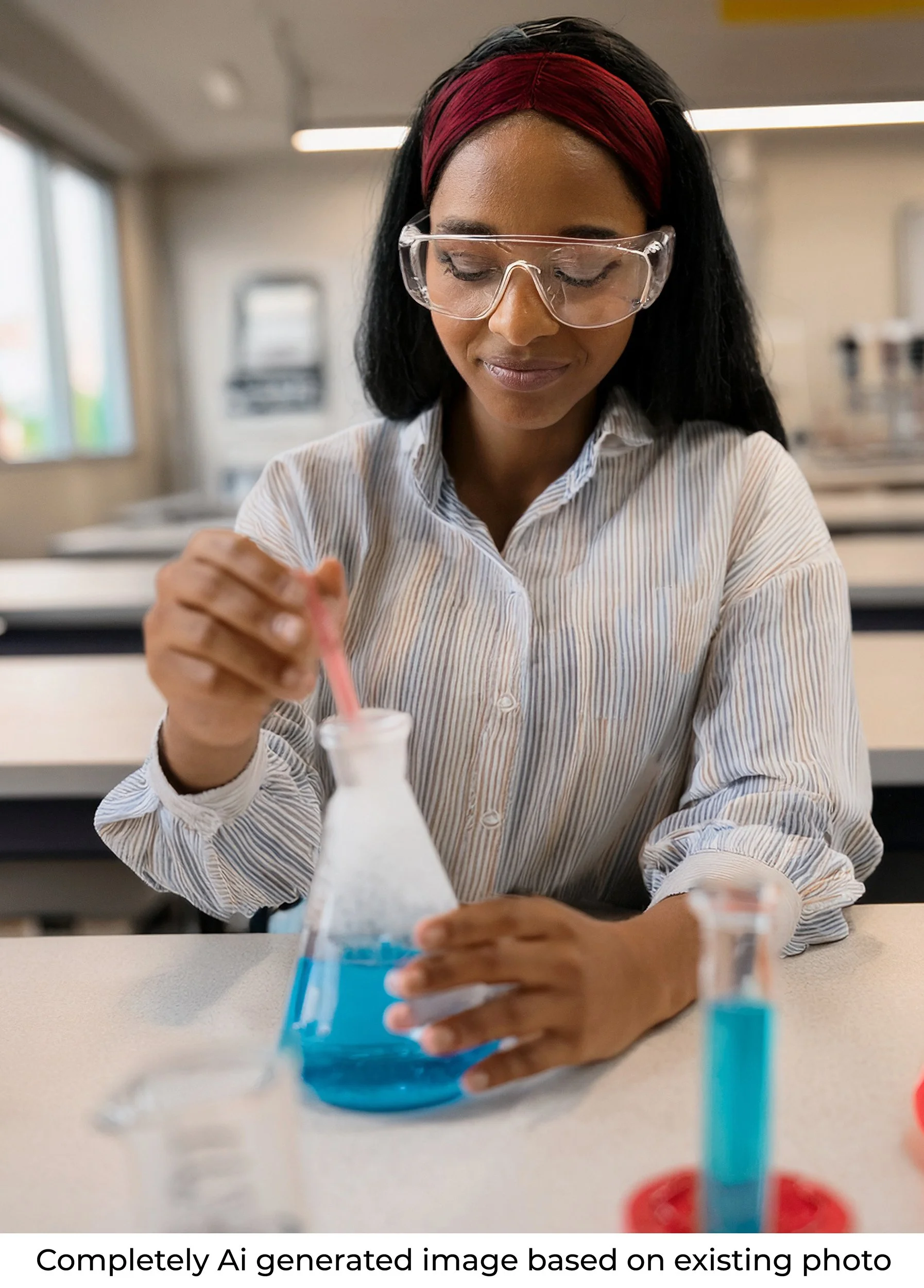
Yes, I know I have just suggested using AI to stop AI, but could AI actually solve an AI problem?
The idea is simple: photograph your real students as normal (or keep the existing photographs), then use AI tools to subtly alter their faces so they are no longer identifiable.
Quite a clever-sounding solution.
You get to keep your current photography style. Your website still looks essentially the same. Your students still look like students, so the authenticity is kept.
Pros: Schools don’t have to reshoot or change anything and, instead, just find the photos that show faces close up and get AI to alter them.
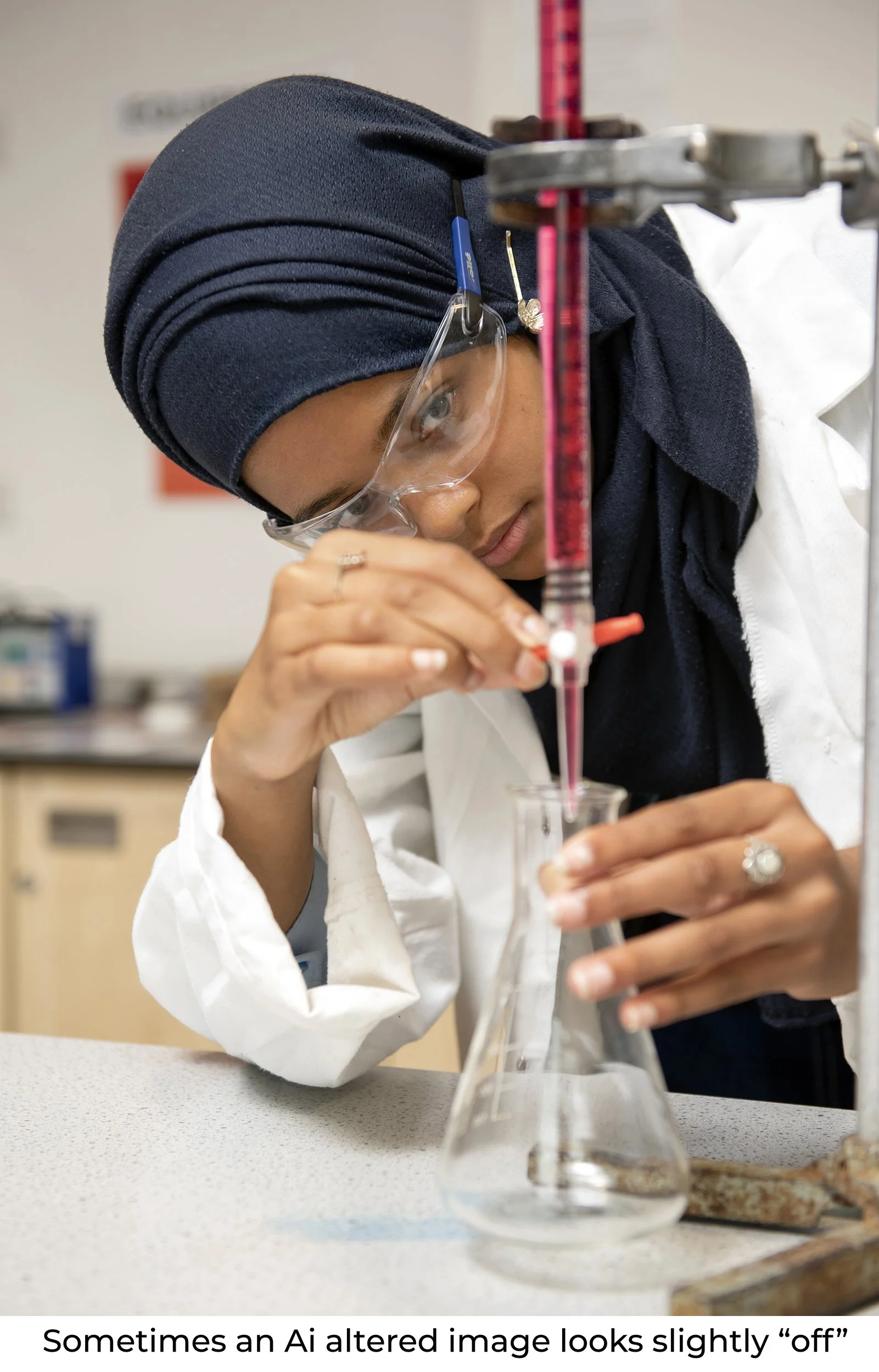
Cons: It can be slow, expensive, and not always convincing. Sometimes the altered faces look slightly “off”. Not enough to notice immediately… but enough to feel a bit strange.
But, in my view most importantly, students like to be recognised for their achievements. Whether photographed during sports day, on stage during a school performance or even within the classroom. So, seeing someone else’s face replace their own would be a really sad move.
Schools who have invested in professional school photography have worked hard to portray the school environment in a genuine way. Artificial faces might undermine that.
Option 3: Creative Photography (My Favourite Option)
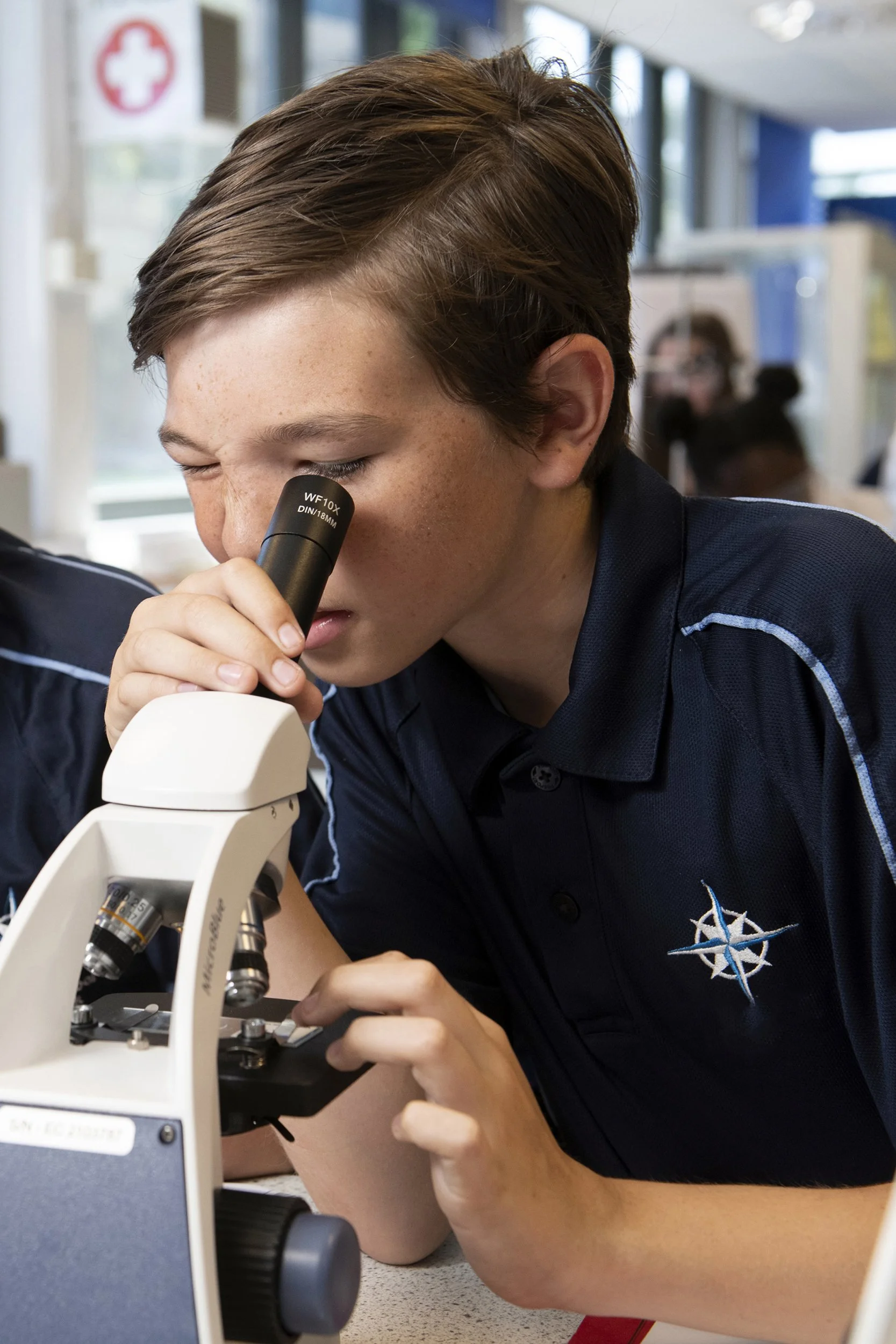
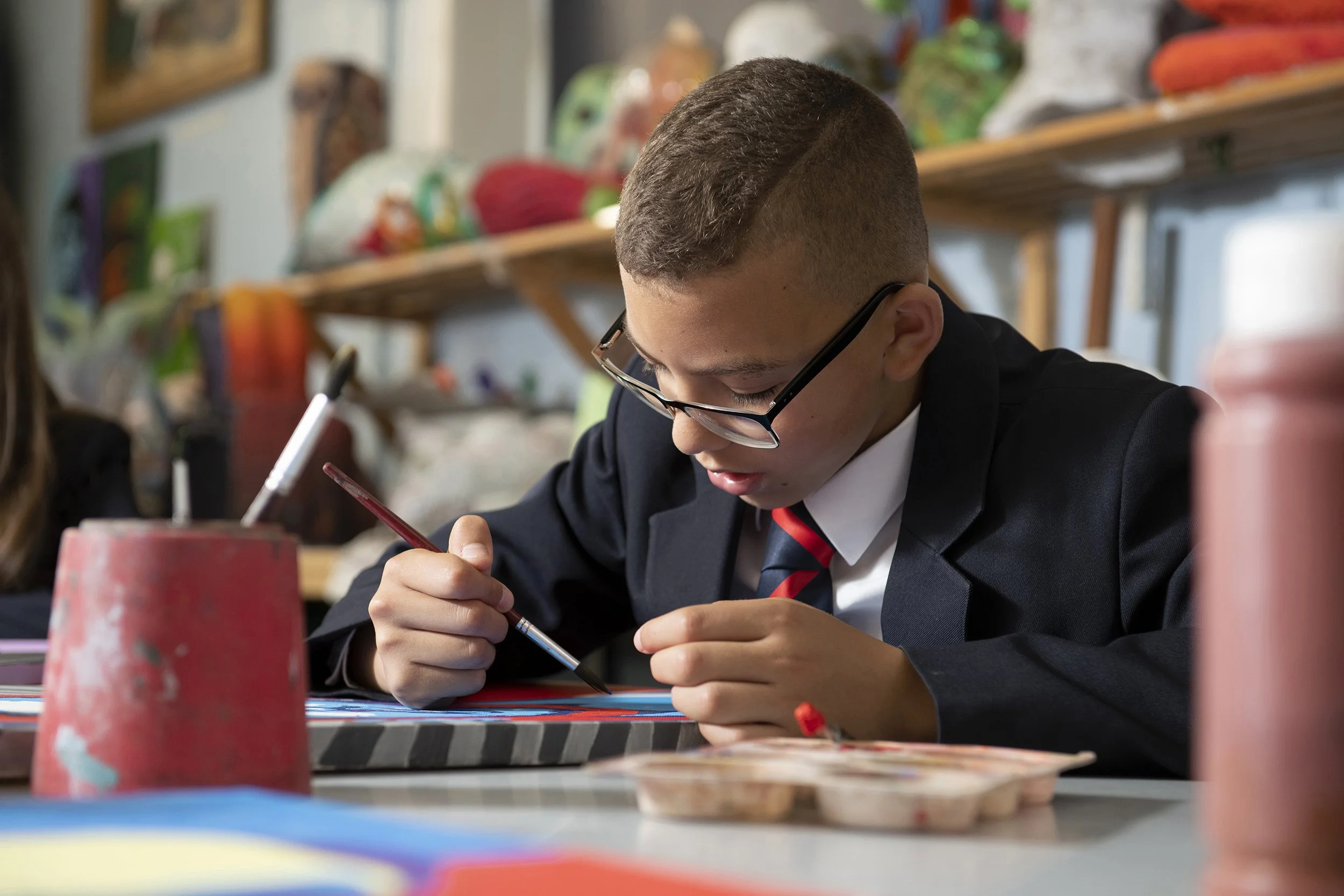
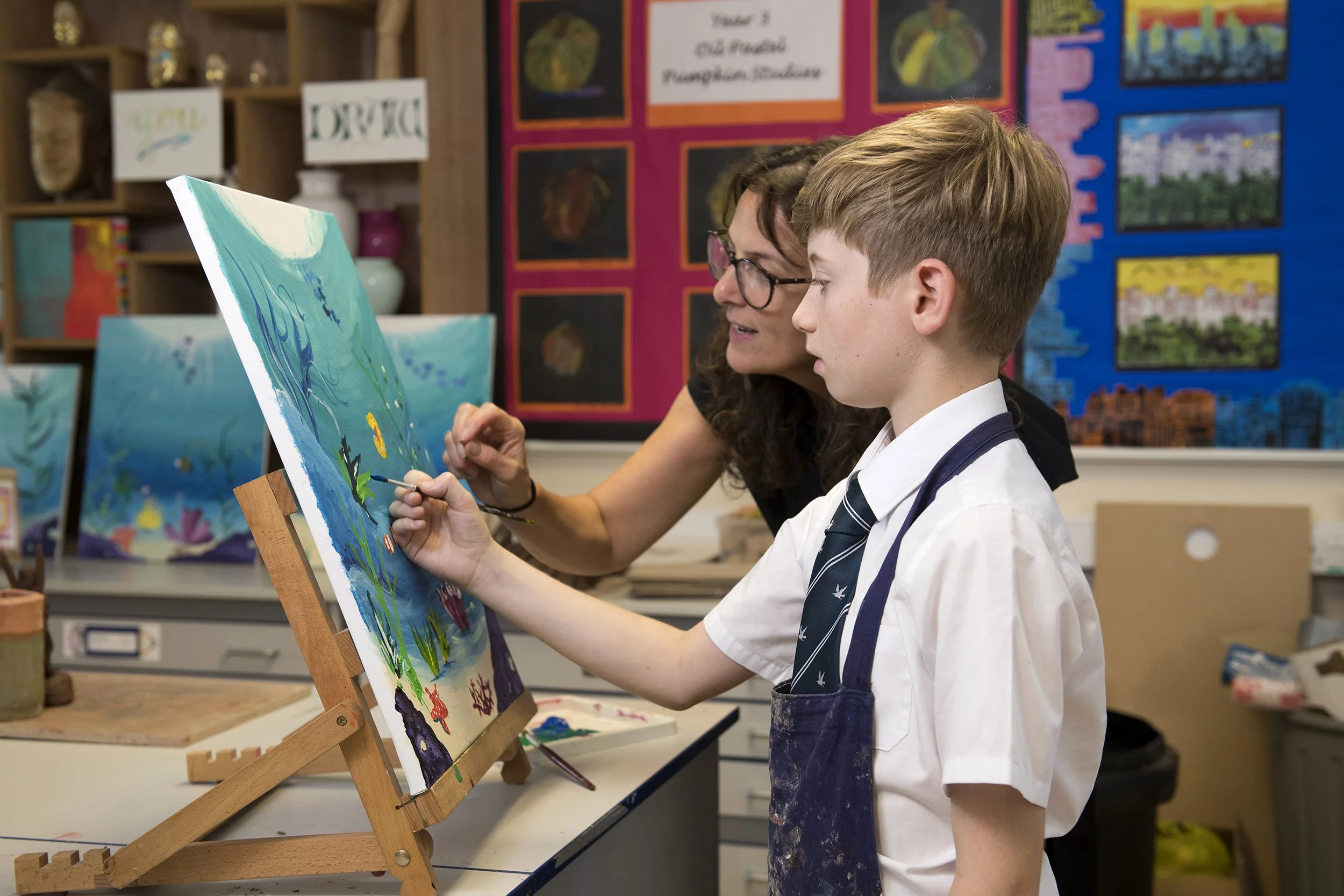
This, for me, feels like the right way to approach the issue.
Creative photography allows schools to keep authentic images of real students, while reducing risk through thoughtful technique.
That might mean:
shooting from slightly behind students
using shallow depth of field so only one student is sharp, and others blur into the background
focusing on hands and equipment whilst slightly obscuring faces
using wider environmental images where faces are less prominent
choosing angles that feel dynamic but less identifiable
Pros: Done well, these images still feel real and would still tell your school’s story.
Schools using this creative style would still get to portray their identity and uniqueness within their photography, and AI would not need to be used to alter the images.
Cons: It may require school leaders to commit to a reshoot of the school photography, which may be an unwelcome additional expense.
It also would require them to rethink how future school photography is approached going forward. Photoshoots would certainly be slower as more thought would need to be put into every shot to ensure pupils are not identifiable.
I have not had to do this yet, but I imagine that each shot would have to be carefully managed. This would take longer and result in fewer photos being taken during the time your school photographer is on site at your school, college or university.
So… What Should Schools Do?
I don’t think schools need to panic. This issue has only affected a small number of schools, but the manipulation of publicly shared images of school students is definitely a safeguarding threat that obviously needs to be taken seriously.
Step 1- Schools should review their current online images and see what is being used at the moment.
Step 2 – Remove names of students from the school website, if any are present. That way, published photos can’t be directly linked to a particular student.
Step 3 - Have a conversation with the SLT / Safeguarding team about your school’s future photography strategy and decide which path you want to take.
That might mean:
auditing current website images
reviewing image permissions
avoiding names attached to photos
rethinking social media galleries
planning future shoots more creatively
The answer isn’t “stop using school photography”
The reality is that schools still need professional photography.
Parents still want to get an insight into school life. Whether it’s when they are considering choosing a school, college or university for their child, or anytime during the period their child is a student there, professional school photography plays an important role.
So the answer probably isn’t “stop using photos”, but instead it is simply a chance to start photographing schools differently.
And as photographers, adapting is what we do – we have spent our careers doing it!
Let’s discuss your school’s photography strategy
I am currently in discussion with a few of my regular schools about how they want to go forward.
I am happy to have a chat with any school, college, academy, university or prep school about how creative photography might be able to help overcome this current challenge.
Get in touch to arrange a conversation.
Danny